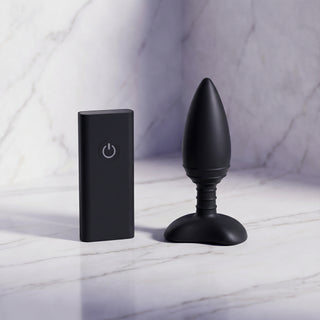
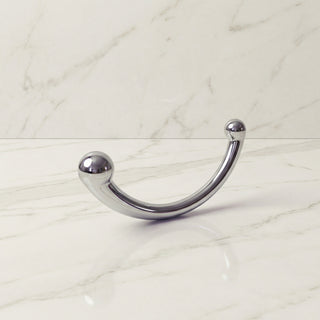
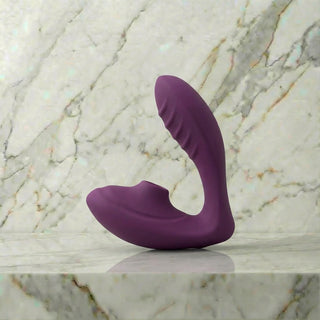
For anything you insert, choose a toy made of silicone, glass, stainless steel or hard plastic (ABS). These are not porous, so you can get them truly clean. PVC, jelly, rubber, TPE and TPR are porous: dirt and bacteria linger in them, and soft PVC may contain plasticisers. Only use a toy like that with a condom over it, and don't share it.
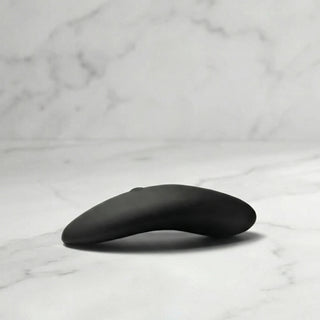
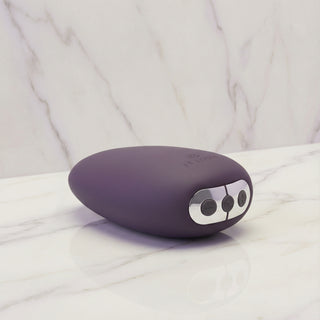
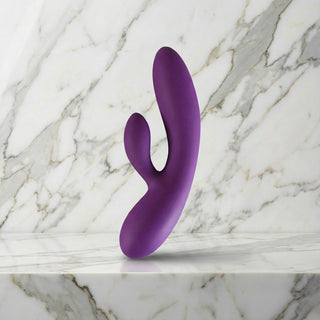
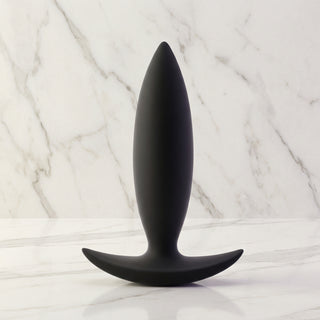
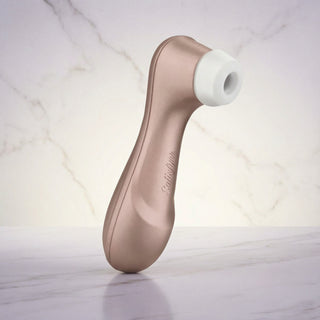
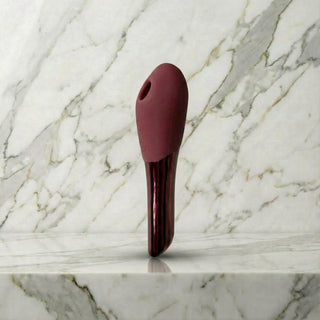
A silicone toy, such as the Mimi Soft Edition, feels pleasant and, with a little care, lasts for years. Of the vibrators, dildos, plugs and prostate toys we sell, about nine out of ten are made of silicone. If you would rather avoid silicone, glass, stainless steel, hard plastic and natural stone are the alternatives to silicone. Readers and customers also often ask us about what they already have at home: an old PVC toy, a vibrator labelled ‘silicone & ABS’, a rose quartz egg.
Unsure about your own toy? Choose the material in our material check and see what it means for you.














Comments (12)
Thanks for the clear explanation on this subject! I'd never really given it much thought before
I was wondering: I have a prostate vibrator from the brand Sono. It says it's phthalate-free, but for the material it says 'silicone & abs'
Can a combination like silicone and abs be trusted?
Thank you for the kind words. That's lovely to read.
If you're used to PVC, you'll certainly be happy with a silicone vibrator. Silicone feels much softer and takes on your body temperature.
What a lovely, clear article! I'm really pleased with it. There was a lot I didn't know yet, too.
Something I still wanted to know: is silicone the softest material? I currently have a PVC toy, but I want to replace it. Still, I find most toys feel so hard and unnatural.
Yes, it's safe for people with latex allergies to use silicone products, including silicone vibrators. Silicone causes virtually no allergic reactions; it's a man-made material. Silicone contains no latex.
I have a latex allergy, can I use a silicone vibe?